
October 22, 2026 · Guides
Hand-Reared African Grey Parrots: Pre-Reservation Guide
Choosing a breeder is the biggest decision you will make about your future African grey. These birds can live 40 to 60 years, so the first weeks of life, how the chick is raised, handled, weaned and checked, shape the companion you bring home. This guide explains how pre-reservation of a hand-reared African grey works at Grey Haven Aviary, what we verify, and what you should ask any breeder before you pay a cent.
Want a place in line? Reserve now: see current birds and send your reservation enquiry
What pre-reservation means
Pre-reservation lets you secure a place for a bird that is still being raised, or is weeks from going home. Instead of refreshing listings and hoping, you tell us what you are looking for, speak with us, and we match you with a bird as it becomes ready. Nothing is paid until you have met the bird live on video and signed the reservation agreement.
Socialization and health specifications
Here is what we document for every hand-reared Congo African grey (Psittacus erithacus) we sell:
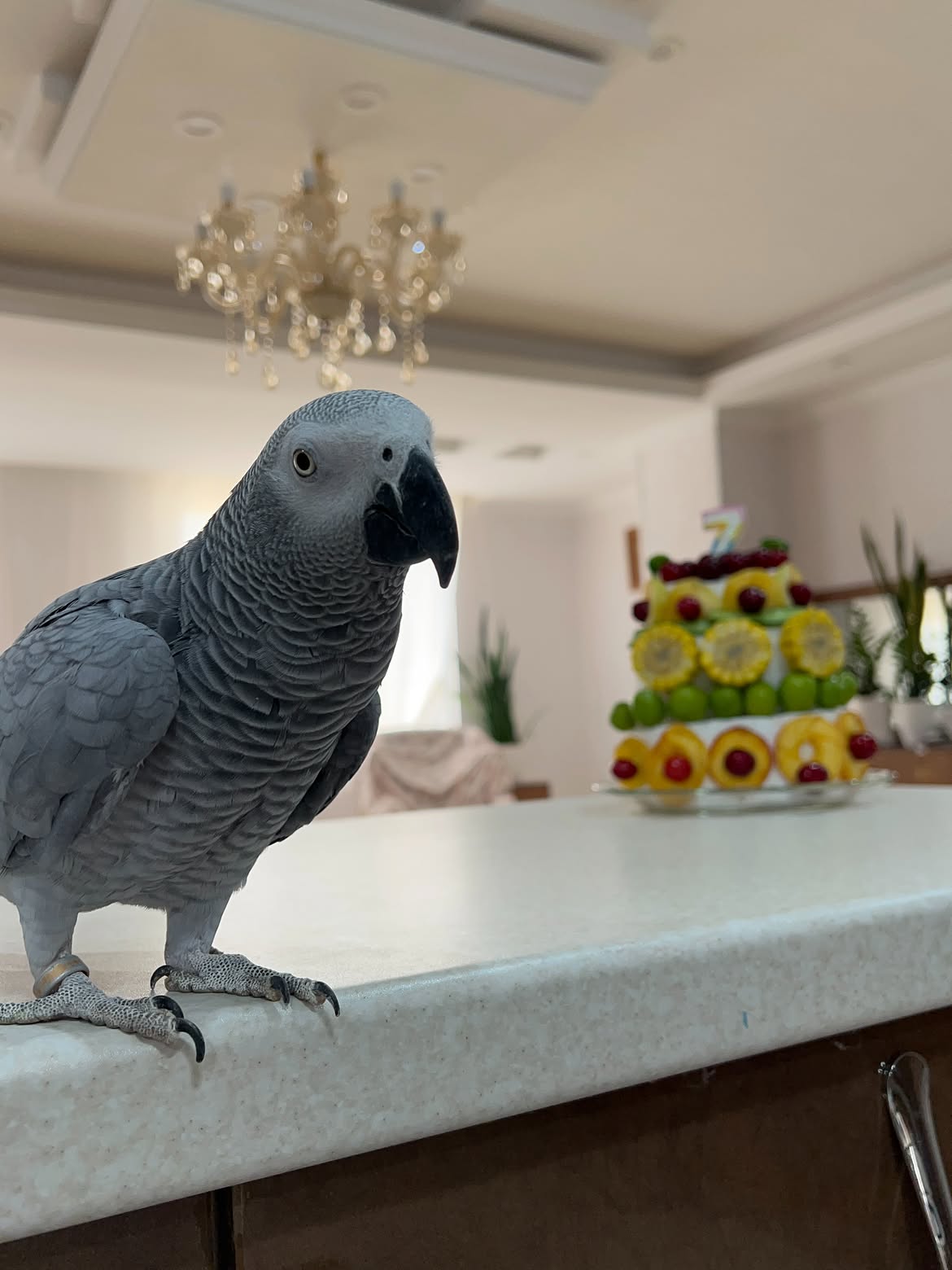
- Closed-band tracking: each chick is fitted with a closed leg ring at hatch. You will see the ring on the live video call and can compare its number with the paperwork.
- DNA sexing: the result is shown on the bird’s listing, or clearly marked “pending”. You receive the DNA certificate at handover.
- Avian vet check: an avian vet examines the bird and the exam date is shown on the listing. You receive the health record.
- Fully weaned before going home: the bird is eating independently. Ask us on the video call exactly what it is eating now. It goes home with a written diet and care sheet and several days of the food it is used to.
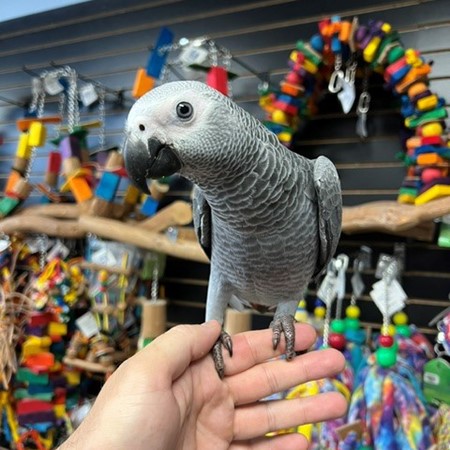
- Hand-reared and socialized: hand-fed and handled daily, so it is comfortable with people.
- Legal papers: captive-bred documentation for your country, provided at handover.
Why reserve early
Good matches take time. Birds come ready in small numbers, and reservations are taken in order. Early reservations get first choice of the birds as they become ready, and time to prepare your home before the bird arrives.
Early weaning shapes behaviour. The period around fledging and weaning is when a young grey learns about hands, new foods, towels, carriers and household noise. We use that window for gentle handling and positive experiences. Reserving early means we can talk through the temperament you want, such as a calmer or more curious personality, and watch for the right fit as the chicks develop.
Clear terms protect you. Our reservation agreement sets out the deposit, the balance, the handover date and what happens if something changes. You can read it before you commit.
See current birds and availability
How reserving works
- Send the reservation enquiry. We reply within two working days.
- Join a live video call on FaceTime, WhatsApp or Zoom. See the bird and its ring, ask anything, and tell us about your home.
- Sign the reservation agreement, then pay the deposit (10 to 20 percent). Nothing is paid before the call.
- Pay the balance and any delivery fee on the handover date you agree with us, before the bird leaves the aviary.
Prices are listed on each bird’s page; at the time of writing greys are listed at US$2,800. Please check the listing for the current price.
What to expect after you reserve
Once your place is confirmed, we stay in touch as your bird develops. You will get updates on how the chicks are progressing through fledging and weaning, and we will tell you as soon as a bird is close to ready. Before handover day we go through the diet sheet, the weaning foods and the first-week routine with you, so nothing about the move is a surprise.
A well-raised grey still needs patience at home. Expect a settling-in period of a few weeks, a quiet room, a consistent routine and short, gentle training sessions. We remain available by phone after handover, because the questions that matter most often come in the first month, not before the bird arrives.
Top adoption FAQs
Do I need permits? What about CITES?
The African grey is listed in CITES Appendix I. For a captive-bred bird sold within the United States, the legal papers that document its captive-bred status travel with the bird. We provide them at handover. We sell only within the US, so you do not need an import permit. The Wild Bird Conservation Act restricts importing wild-caught birds. Rules can differ by state, so check your own state or local requirements, and we are happy to talk through the paperwork with you.
How does the bird travel to me?
We do not ship by airline. You can collect the bird, or we arrange local hand delivery by our staff or a trusted local courier. The bird travels in a secure, well-ventilated carrier. Any delivery fee is agreed in writing in advance and paid before the bird leaves.
What should I have ready at home?
Before your bird arrives, prepare: a cage large enough to stretch and flap in, with bar spacing suited to greys; several perches of different diameters; food and water bowls; the pellets and fresh foods named on your diet sheet; foraging toys; a quiet room for the first days; and the contact details of an avian vet. Avoid non-stick cookware fumes, aerosols and candles near your bird, which are dangerous to parrots.
Can I see the bird before I pay?
Yes. A live video call comes first, every time. Ask to see the ring, the bird eating, and how it responds to being handled.
Reserve your place
If you are looking for a hand-reared, DNA-sexed, vet-checked African grey with documented papers and an honest process, send your reservation enquiry today. You can download the agreement first and read it at your own pace.